Artisan partita IVA in Italy: how to open one and plan the costs
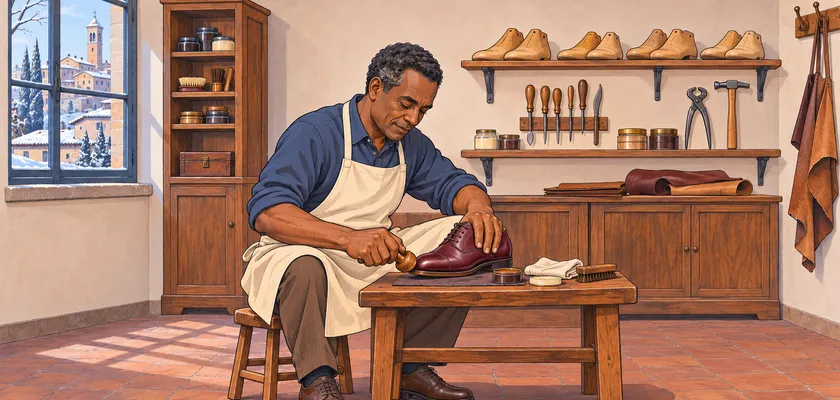
To open an artisan partita IVA (Italian VAT number), the Registro Imprese identifies ComUnica (the one-stop business filing) as the route for starting a sole proprietorship: the VAT number alone does not complete the business registration. In 2026, check the requirements for your activity and separate initial expenses from recurring costs to prepare your budget.
When do you need a partita IVA, and who qualifies as an artisan?
A partita IVA is required for a habitual business activity, even if it is not exclusive, under article 4 of DPR 633/1972, as cited by the Agenzia delle Entrate; artisan status requires management responsibility and personal work to predominate.
Law 443/1985, article 2, defines an imprenditore artigiano (artisan business owner) as someone who personally and professionally carries on a business, takes responsibility and bears its risks, and does most of the work themselves, including manual work. Article 3 covers the production of goods and provision of services, with exclusions: manual work alone is not enough to establish artisan status.
The Camera di commercio di Padova distinguishes freelance professionals, who are not generally required to register with the Registro delle imprese (the business register). To explore the initial routes, see the partita IVA section.
Low receipts alone do not show that an activity is occasional. Habitual activity is not replaced by a general income threshold below which registration can be ignored.
How do you open a partita IVA as an artisan?
The Registro Imprese requires an online Comunicazione Unica (ComUnica) filing with the competent register to start a sole proprietorship.
ComUnica coordinates the allocation of a partita IVA, registration with the Registro delle imprese and, where applicable, the Albo delle imprese artigiane (register of craft businesses), and the INPS and INAIL formalities. Do not confuse the coordination of a filing with the outcome of each application.
- Describe the activity and identify its ATECO code. Note which services you will offer and how you will work. In its introduction to ATECO 2025, ISTAT points readers to a navigator for finding the code that corresponds to their activity. There is no single code to choose just because the work is artisan.
- Check local requirements and procedure. Law 443/1985 requires technical and professional qualifications for certain activities. The Impresainungiorno portal identifies the SUAP (the business one-stop office) as the point of contact for requirements, steps and documents: ask the office responsible for the relevant municipality and actual activity.
- Prepare the tools or appoint someone to act for you. The Registro Imprese requires a PEC (certified email) as the business’s digital address and the owner’s or delegate’s digital signature. You can do it yourself or appoint an intermediary, such as a commercialista (accountant) or trade association. Clarify which formalities the appointment covers and who will check the outcomes. Keep the availability of these tools separate from the requirements to practise the trade: having PEC and a digital signature does not replace checks on the activity.
- Complete and submit ComUnica. The Registro Imprese identifies DIRE (the business register filing service) and other market solutions as ways to prepare and submit the filing. According to Impresainungiorno’s page on starting a business, the SCIA (a certified activity commencement notice), when required, may accompany ComUnica: it is not a requirement that applies identically to every business.
- Keep receipts and check the outcomes. Keep the submitted filing, VAT allocation and replies from the administrations. For an insured activity, INAIL requires an insurance registration report at the same time as the activity starts: check that the relevant step is included.
Before taking on commitments with clients, clarify which conditions allow you to start operating. Do not interpret the receipt for a submitted filing as confirmation of every registration.
How much does it cost to open and run the business?
Your budget includes initial expenses and recurring costs. Their amounts depend on the activity, applicable formalities and services you choose.
The Camera di commercio di Trento distinguishes stamp duty from filing fees for applications and declarations. The Camera di commercio di Pistoia-Prato explains that the annual Chamber of Commerce fee remains due while the business is registered. INAIL also indicates an annual insurance premium for an artisan without employees.
Organise your estimate in two groups:
- Opening: filing fees and stamp duties, any local procedure charges to check, activation of tools and chosen assistance.
- Running the business: annual fee, INAIL premium, INPS contributions, taxes, renewals for PEC and services used, and any ongoing assistance.
Ask for separate amounts payable to public bodies and provider fees. Have them specify what is paid once and what recurs: no national total accurately describes every artisan business setup. To compare two offers, ask them to cover the same activities and services, without adding the opening costs and a full year of running costs as if they were one item.
Can you choose the regime forfettario, and which contributions should you consider?
The regime forfettario requires you to meet its eligibility requirements and have no exclusion grounds, according to the Camera dei deputati; according to INPS, contributions include a minimum amount and any amount on income above that minimum.
The same overview describes a calculation using a profitability coefficient linked to the activity: there is no single coefficient for all artisans. Actual expenses are not deducted one by one in this calculation; mandatory social security contributions have a separate deduction under the applicable rules.
In its explanation of contributions above the minimum, INPS distinguishes the fixed minimum amount from additional contributions on income above the annual minimum. For amounts, calculations and deadlines, continue with INPS contributions for artisans and traders.
INPS Circular no. 14/2026 confirms a 35% contribution reduction for the relief scheme: applying is optional and requires an application confirming that you meet the requirements. It does not take effect automatically when you choose the regime forfettario. The guide to the INPS contribution reduction for the regime forfettario explains the conditions and application.
What should you organise after opening?
After opening, organise invoicing, archiving, documents and deadlines, checking the requirements for the transactions you make.
Article 1 of Legislative Decree 127/2015 generally provides for the SdI (Sistema di Interscambio, the state’s e-invoicing exchange system) for invoices between parties resident or established in Italy, subject to specific exceptions, and for the Agency’s free services for generating, transmitting and archiving invoices. For the practical steps, see electronic invoicing.
Article 3 of DM 17 June 2014 governs the archiving process: a folder of PDFs is not enough. Organise the archiving of electronic invoices.
Keep purchase documents and opening receipts, check your registrations and build a personal calendar. INPS Circular no. 14/2026 identifies the Cassetto previdenziale as the place to find payment information: compare it with your position.
Frequently asked questions
Can an artisan work without a partita IVA?
For a habitual business activity, even if it is not exclusive, the VAT criterion cited by the Agenzia delle Entrate does not depend only on receipts. Earning little does not show that the work is occasional. You also need to check artisan status, which requires personal work to predominate and responsibility for managing the business.
How do you open a partita IVA as an artisan?
The Registro Imprese identifies the online ComUnica filing as the route for starting a sole proprietorship. First describe the activity, identify its ATECO code and check the requirements and procedure with the competent SUAP. Then prepare the required tools or appoint someone to act for you, submit the filing and keep the receipts and responses from the administrations involved.
How much does an artisan partita IVA cost?
There is no single national total that applies to every activity. Separate initial filing fees and stamp duties, tools and chosen assistance from recurring costs: the annual Chamber of Commerce fee, INAIL, INPS, taxes and services used. Ask for an estimate that separates amounts payable to public bodies from fees and says which items recur.
Can an artisan choose the regime forfettario?
Yes, if they meet the legal requirements and do not fall under an exclusion, as the Camera dei deputati notes. Artisan status alone is not enough. The calculation uses the activity's profitability coefficient and does not deduct actual expenses one by one; mandatory social security contributions have a separate deduction under the applicable rules.
Which contributions does an artisan pay?
INPS distinguishes a fixed minimum amount from additional contributions on income above the annual minimum. For those who qualify, Circular no. 14/2026 confirms the optional 35% contribution reduction, which must be requested. Choosing the regime forfettario does not activate this social security relief automatically: check your position.